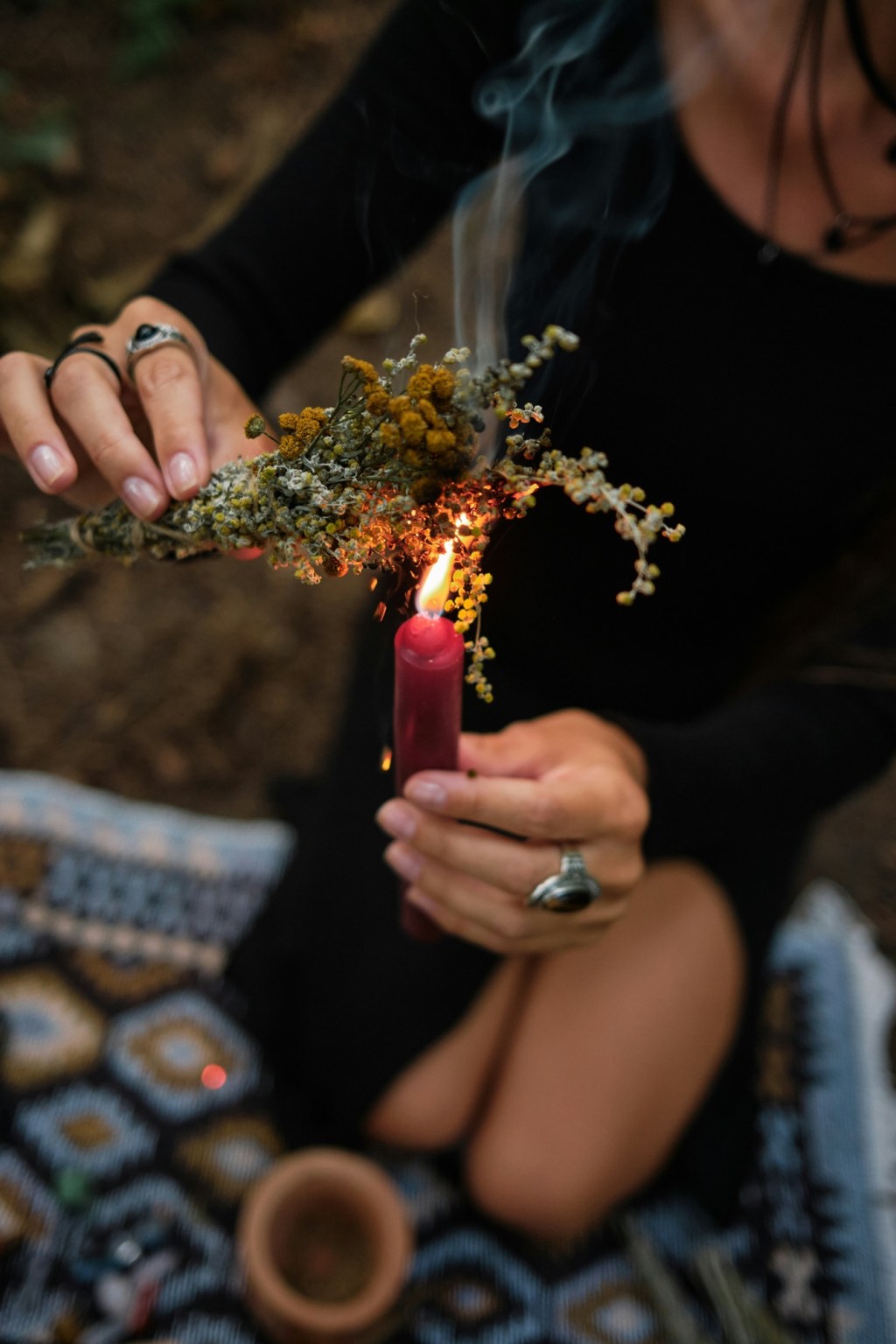
Sometimes the clues are so thoroughly woven into a life that you do not recognize them as clues at all. They simply look like the things you love, the subjects you return to, the objects gathering quietly on shelves, and the moments that inexplicably make you stop what you are doing and pay attention.
A bird calls from somewhere beyond the fence, and instead of hearing only birdsong, I know who is speaking. I brush past rosemary and carry its sharp green scent on my fingertips. The moon catches me unexpectedly between rooftops, bright enough to interrupt whatever ordinary thing I am doing and make me look up. Somewhere nearby are tarot cards, mythology books, psychology texts, collections of folklore, half-finished notes about archetypes, and probably more herbs than any reasonable person needs.
On my computer sits a manuscript called Briar Hollow, filled with witches, forests, lanterns, an apothecary, an orchard, old magick, memory, and a town that seems to remember things its people have forgotten. Nearby is Thread & Tether, a tarot-inspired project built around archetypes, symbolism, intuition, and the invisible threads running beneath our lives. Before either of those, I wrote The Understory: Going Beneath the Surface in Psychotherapy, because even my clinical work somehow found its way beneath a forest canopy.
Looking at all of it together now, I have to laugh a little. There was no dramatic conversion, no midnight ceremony beneath a swollen moon, no renunciation of one faith followed by the declaration of another. I did not wake one morning, wrap myself in linen, wander barefoot into the woods, and emerge several hours later with a raven on my shoulder and an official certificate identifying me as Pagan.
It happened much more quietly than that, in fragments so ordinary I did not recognize them as clues at first. The trail appeared in the birdcall I learned to recognize, the rosemary clinging to my hands, the tarot card turned over on a wooden table, and the mythology book resting beside a psychology text and a collection of folklore, as though Persephone, Jung, and some half-forgotten village witch had gathered for coffee and discovered they had more in common than anyone expected.
Other clues surfaced while I researched old stories and symbols, following their roots backward through centuries. Curiosity led me toward the lands my ancestors once inhabited and toward questions about what people told one another during long winters, when darkness arrived early and the forest stood just beyond the firelight. I began noticing moon phases, seasonal shifts, grief rituals, old myths, and the persistent tug I have always felt toward things hidden beneath the obvious.
The trail had been there for years, though I could not yet see the shape of it. I simply needed to stop moving long enough to notice where it had been leading.
The World Beneath the Human One
We live on Mother Earth and somehow learn to move through our days as though we are separate from her. Modern life gives us walls, schedules, screens, artificial light, food untethered from seasons, and weather reduced to something we check before deciding what to wear. The living world can become background scenery while our attention is pulled toward everything humans have built on top of it. We move from climate-controlled homes to cars to offices, knowing the names of brands and apps more readily than the trees, birds, and plants sharing the places where we live.
Yet beneath the pavement, beyond the buildings, and outside the glow of our screens, the older world continues whether we are paying attention or not. Birds migrate. Roots press through soil. Moonlight shifts across rooftops. Seasons turn. Trees respond to changes in light and temperature long before we notice that autumn has arrived. The earth continues speaking in rhythms humans once had to understand simply to survive, while many of us have become increasingly fluent in modern life and increasingly unfamiliar with the living world holding all of it.
I had not realized how much distance could exist between living on the earth and living in relationship with it. Nature had become something easy to admire through a window, visit on a weekend, photograph, or call beautiful without necessarily knowing much about what I was seeing. Rewilding began, in part, when I realized I did not want to live my life on Mother Earth while remaining a stranger to her.
Paying attention changed that relationship. A bird stopped being simply a bird once I knew its call. The moon stopped being background once I began noticing her phases. Seasons became something I could feel arriving rather than dates printed on a calendar. The world had never stopped being alive around me. I had simply become accustomed to moving through it without listening closely enough to hear.
I Thought Deconstruction Was About What I No Longer Believed
When I began deconstructing Christianity, I thought I was dismantling beliefs. That is often how deconstruction begins: you pull one thread because something no longer makes sense, and suddenly the whole tapestry shifts beneath your hands.
Questions begin gathering around what you were taught about goodness, sin, obedience, authority, sexuality, gender, the body, suffering, morality, and who gets to speak on behalf of the sacred. Teachings that once seemed immovable look different when examined in daylight. You start wondering who wrote the rules, who interpreted them, whose voices shaped them, whose voices were missing, and why curiosity could sometimes feel dangerously close to disobedience.
For a while, I thought the work was primarily intellectual. Once I had questioned the theology, I assumed the rest would simply fall away, but instead I discovered that beliefs can leave the mind long before they leave the body.
Invisible gates remained inside me. I would encounter a new idea, a spiritual practice, a symbol, a ritual, something beautiful or strange, and before curiosity could fully unfold, another voice would sometimes arrive with its familiar questions: Was this allowed? Was it wrong? Was I supposed to believe this? Could I trust myself here?
Those questions were so familiar that I almost mistook them for my own voice. Eventually, however, I became more interested in the voice than the answer and started asking, Whose voice is that? Some questions behave like keys. They seem small until you place them into the right lock, and that one opened a door.
Leaving a system intellectually, I began to understand, does not mean the nervous system immediately stops living beneath its rules. You can walk beyond the gate while your body still expects someone to call you back, stop believing in punishment and still brace for it, or reject a hierarchy while instinctively searching the room for whoever has permission to decide. Sometimes you leave the church and discover that pieces of the church came with you.
Deconstruction slowly became less about proving something wrong and more about recognizing how much of my internal world had been furnished before I ever arrived with my own taste. Certain things still belonged there, others needed to be moved around, and some no longer belonged in the house at all.
Underneath all that sorting lived a quieter question that would eventually become more important than any of the old answers. I began wondering what I might discover if I stopped searching for the correct spiritual conclusion and simply paid attention.
When Nobody Was Telling Me What to Believe, I Started Paying Attention
Something spacious opened when I stopped searching for another spiritual system to replace the one I had left. Curiosity moved into the room where certainty had once sat, and I found it far more alive.
I began following whatever made something inside me lean closer. Mythology led to folklore, tarot to archetypes, dreams to ritual, herbs to their old associations, and moon cycles to a deeper awareness of seasonal rhythms. Germanic mythology and the folklore connected to my ancestry began raising questions about the stories carried across generations, while certain symbols kept appearing wherever I wandered: the forest, the crossroads, the well, the river, the raven, the serpent, the seed, the lantern, the hearth.
None of these felt like pieces of a new religion I needed to assemble correctly. Instead, they resembled things I had been passing along the trail for years and was finally curious enough to stop and examine.
Thresholds drew me in especially because they are everywhere in mythology. A doorway stands between one world and another, the village road eventually gives way to trees, and a shoreline marks the place where solid ground becomes water. Hecate waits at the crossroads holding her torches, while Persephone descends from one world into another. Caves, graves, wombs, and winter fields all carry the same strange suggestion that emptiness may not be empty at all. Sometimes life is simply gathering itself underground.
Psychology has thresholds too. There is the moment someone realizes the coping mechanism they despise once kept them alive, the silence before something true is finally spoken, and the strange country between an identity that no longer fits and the next one that has not yet taken shape.
We spend more of our lives in those in-between places than we tend to acknowledge. Perhaps that is one reason mythology has always felt alive to me, because myths understand something our tidy self-help language sometimes forgets: transformation is rarely clean.
People get lost in myths. They descend, wander, encounter monsters and helpers, and meet parts of themselves they could never have known while remaining safely inside the village gates. Persephone does not remain forever untouched in the meadow, Ariadne’s thread matters precisely because someone has entered the labyrinth, and Hecate belongs at the crossroads because crossroads are where certainty runs out.
The old stories understood long before we began packaging transformation into numbered steps that becoming often begins when the familiar map stops working.
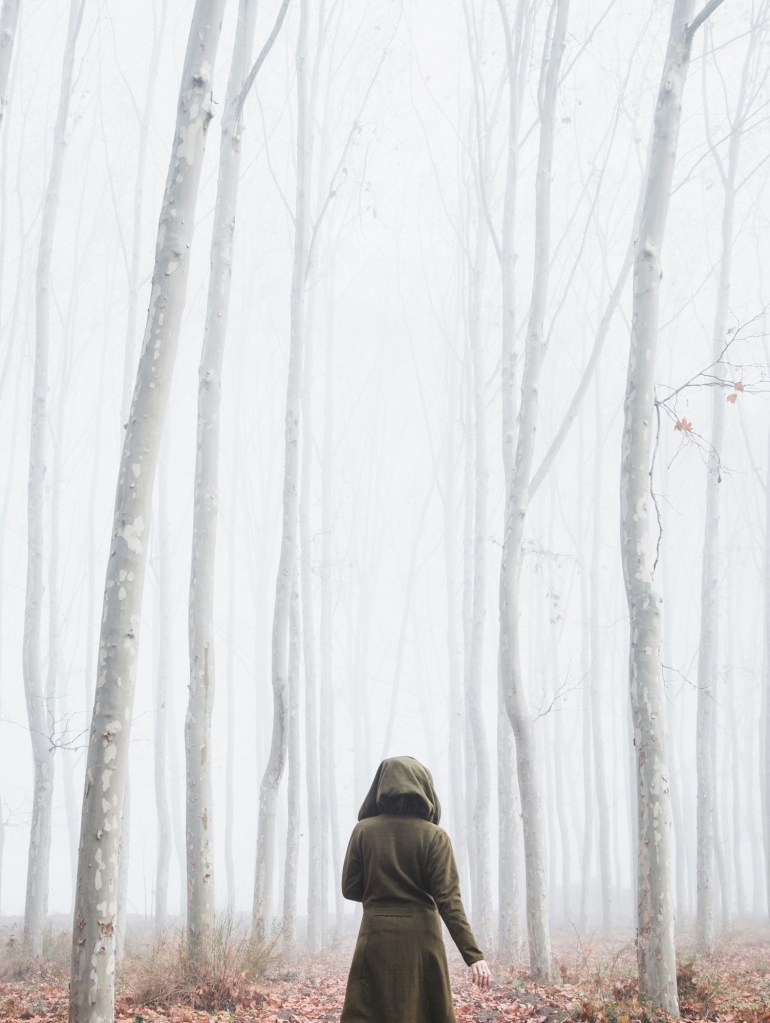
The Forest Is Where the Rules Change
In folklore, the forest is rarely just a collection of trees. It lies beyond the cultivated world, past fences, roads, assigned names, expectations, and familiar roles, becoming a place where the rules loosen and paths refuse to behave.
Animals speak there. Old women live in impossible houses, wolves know more than they should, and travelers become lost only to encounter something they never could have met while staying safely inside the village.
Baba Yaga’s hut stands somewhere in that territory, balanced on chicken legs and refusing to become a simple good-witch-bad-witch story. The Green Man peers from leaves and carved stone with his face swallowed by vegetation, while the Wild Hunt thunders through winter folklore carrying the old northern terror of storms, darkness, death, and forces humans could neither negotiate with nor control.
I do not need to believe these stories literally to feel the truth moving beneath them. For centuries, the forest has represented what exists beyond domestication, the place where civilization’s rules become less reliable and the carefully arranged self may lose its familiar path.
Nature lives there, of course, but so do the parts of us that refuse complete cultivation. Rewilding, I slowly realized, was asking me to become curious about whatever I had left beyond my own village walls.
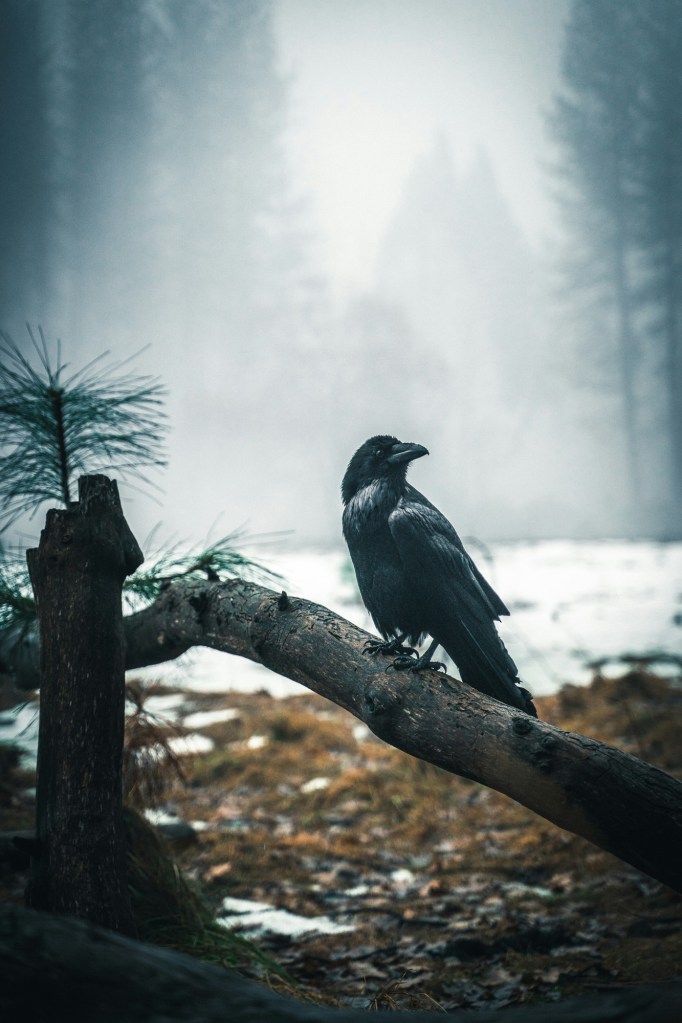
Becoming Literate in the Living World Again
Some of the changes were almost embarrassingly ordinary. One of them began with birds.
For most of my life, a birdcall had simply been a pleasant sound woven into the background. Then I started paying attention, identifying one call and then another, and something subtle shifted. The sky was no longer populated by generic birds but by particular beings with habits, territories, voices, and lives unfolding alongside mine.
A raven became more than a black shape crossing overhead, while a hawk became someone I noticed circling above. The scrub jay had a particular voice rather than simply contributing to the ambient soundtrack of the morning. Knowing their names did not make them mine; it made me more aware that I was living among them.
The same thing began happening with plants, weather, seasonal changes, and the moon. Paying attention to where the moon was in her cycle changed the way I noticed her, just as watching the seasons closely made me aware of how early darkness comes in winter, how the light begins shifting before autumn officially arrives, and how spring does not explode into existence all at once. It returns quietly through buds, nests, scent, warmer soil, and birds becoming busier around the edges of the day.
None of this involved a spectacular spiritual revelation, and that was part of what made it matter. An ordinary morning became interesting because I knew who was singing from the tree. Rosemary released its scent when I touched it while walking past, and the moon appeared above a parking lot or between buildings as though beauty had very little concern for appropriate staging.
Modern life trains us to move quickly across the surface of things. We know brands, notifications, traffic patterns, passwords, delivery windows, and which small rectangle in our hand is currently demanding our attention. Somehow we can navigate a digital world with astonishing precision while remaining strangers to the tree outside the kitchen window.
Rewilding asked me to become literate in the living world again, not because I wanted to abandon modernity. I remain deeply committed to indoor plumbing, antibiotics, Wi-Fi, and central heating, which have all made persuasive arguments on their own behalf. What I wanted was to remember that another world exists beneath and around the human one, older and slower and entirely unconcerned with my calendar.
The birds had been talking the whole time, while the moon kept moving whether I noticed her or not. I was finally learning how to listen.
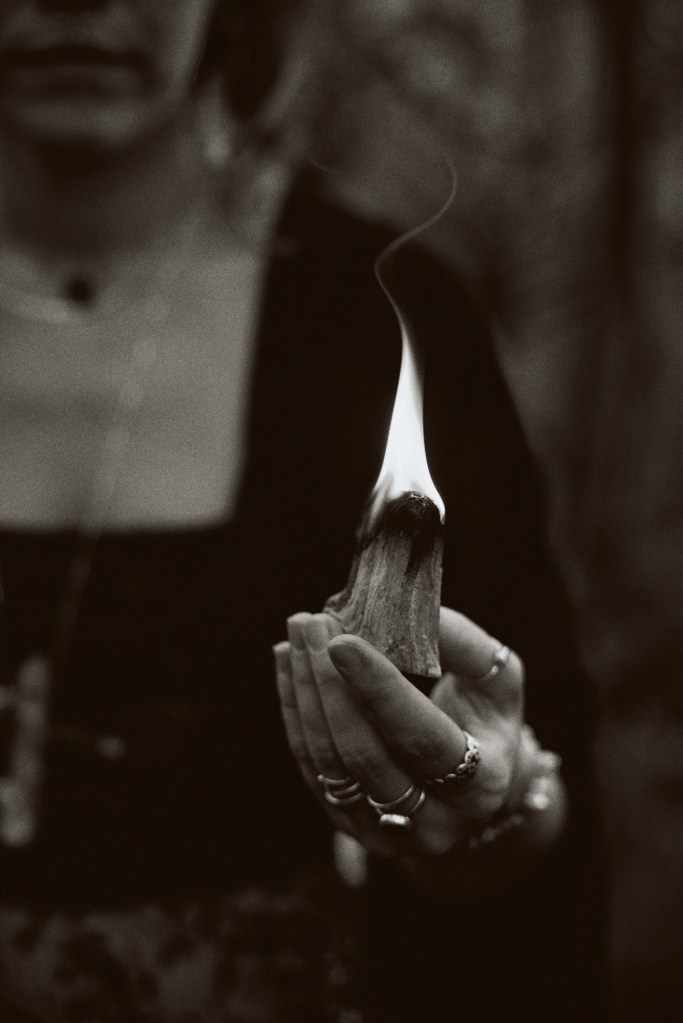
Who Was I Before the World Told Me Who to Be?
The deeper I wandered, the more rewilding became about something larger than spirituality. Eventually it became a question of identity: Who was I before the world told me who to be?
I do not mean that there is some pure, untouched original self buried underneath culture, waiting patiently for excavation. None of us gets that. We are formed through relationships, family, language, history, culture, trauma, biology, attachment, love, loss, survival, and community, all of which leave fingerprints.
Still, there is a difference between being shaped through relationship and being domesticated away from ourselves. Very early, we learn which parts receive praise and which create discomfort. We become familiar with instructions about being agreeable, useful, productive, good, accommodating, and easy to understand, while absorbing quieter lessons about not making people uncomfortable, asking too many questions, taking up too much space, or becoming difficult.
Women in particular inherit an ancient choreography around goodness. We are expected to be nurturing without becoming demanding, competent without seeming intimidating, attractive without appearing vain, sexual only in approved ways, strong without becoming angry, and independent while somehow remaining endlessly accommodating.
Eventually the choreography becomes so familiar that we stop noticing we are dancing. Somewhere beneath all that instruction, pieces of us begin slipping quietly into the woods.
Anger may go first, followed by intuition, unruliness, sexuality, grief, strange interests, hunger, creativity, wonder, and questions. Those parts do not necessarily disappear. Sometimes they simply learn to live beyond the village fence.

The Clues Were There Before I Had Words for Them
When I look farther back, the trail begins long before I ever used words like Pagan, rewilding, archetype, or spirituality. Some of the clues lived in family memory. My maternal great-grandmother came from Germany, and one of the things I remember from childhood is hearing her speak German, sing German songs, and clap along. At the time, I did not understand any of that as lineage, cultural memory, or ancestry. It was simply part of the atmosphere of being young, another sound in the room, something carried forward without needing to explain itself. Years later, as I became more curious about my Germanic roots, mythology, folklore, and the stories people once told in those landscapes, that memory returned with a different kind of weight. The language had been there before I knew to listen for it.
My maternal grandmother carried another thread. She was interested in holistic study and plant wisdom, so the idea that the natural world might contain something worth paying attention to was not entirely foreign in my upbringing. Plants were not only decoration. There was curiosity around what they could offer, how they had been used, what they might teach us, and how people had long lived in relationship with them. Looking back, I can see how that gave me an early permission to remain curious about ways of knowing that did not fit neatly inside one box.
And then there was me, wandering into the woods and collecting things.
As a girl, I was often more interested in gathering leaves, bits of plants, dirt, water, sticks, and whatever else the forest offered than in more traditional pastimes. I would bring them together and brew strange little concoctions with the seriousness only a child can give to something entirely invented. I did not call it ritual. I certainly did not call it witchcraft. I was simply playing, experimenting, imagining, and making meaning out of what I found around me.
That memory makes me smile now because the impulse feels so familiar. Gather. Notice. Combine. Imagine. Make meaning.
I still do that.
I do it in psychotherapy when I listen for what lives beneath the visible story. I do it with mythology and folklore when I follow symbols backward through time. I do it with tarot when an image opens a question I had not yet found words for. I do it in writing when fragments of memory, psychology, grief, nature, and story begin forming a world. I did it while creating Thread & Tether, and I am doing it again while building Briar Hollow.
Seen from here, these parts of my life do not feel like a new identity I adopted after deconstructing Christianity. They feel older than that. They belong to the girl listening to German songs, to the family curiosity around plants and holistic wisdom, and to the child in the woods stirring leaves and water together because something about it felt compelling.
None of this means I was secretly practicing a religion I did not yet know existed. Childhood does not need to be retrofitted into a perfect origin story. What it does show me is that certain ways of relating to the world were present very early: curiosity about nature, delight in symbols and stories, attraction to the mysterious, and an instinct to gather ordinary things and make meaning from them.
The adult language came later.
The knowing came first.
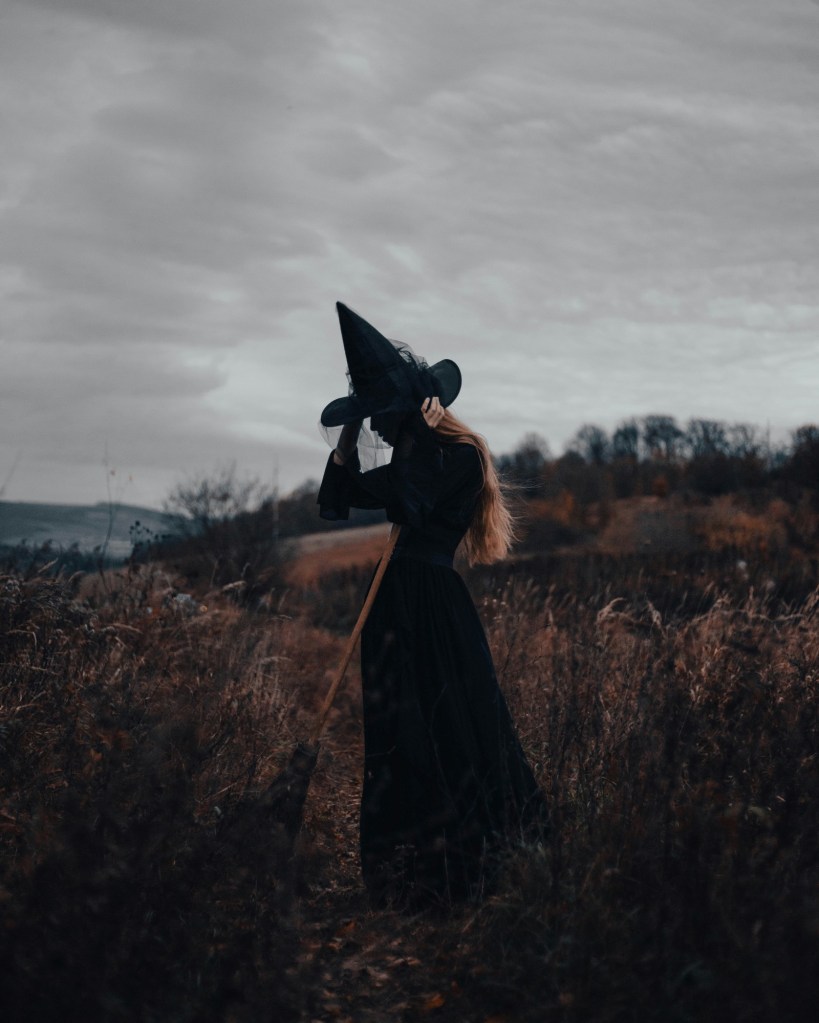
The Witch Was Waiting There
Of all the figures I encountered in those woods, the witch felt strangely familiar. Her familiarity was not rooted in a romanticized version of history, because historical accusations of witchcraft were far more complicated than the modern story of persecuted wise women.
People accused of witchcraft lived inside tangled political, religious, economic, interpersonal, and cultural realities. I have no interest in flattening that history into a convenient feminist myth, but archetypes are not limited to their historical origins.
The witch we carry culturally now has become something larger than accusation. She lives at the edge of sanctioned authority, gathers herbs, knows stories, listens to dreams, understands cycles, tends bodies, speaks with the dead through memory or ritual, trusts careful observation, and makes meaning from ordinary things.
No building, hierarchy, or institution is required to tell her where the sacred lives because she keeps encountering it at the kitchen table, in the garden, at the graveside, beneath the moon, beside the fire, and in stories passed quietly from one generation to the next. Perhaps most unsettling to systems built around obedience, she belongs to herself.
That archetype had teeth, although not because I wanted to imagine intuition as infallible. My training in psychology would never allow me that particular fantasy. Human beings are magnificent pattern-making creatures, equally capable of insight, projection, bias, fear, imagination, and astonishing self-deception.
Complexity, however, does not require us to exile intuition. It asks us to make the table larger.
Reason belongs there, and evidence deserves a chair. The body, experience, history, science, story, symbol, dreams, and mystery can sit alongside them without any one voice becoming absolute sovereign over the others.
For me, the witch became less an archetype of supernatural certainty and more an image of reclaimed participation. She does not know everything; she has simply stopped removing herself from the conversation.
Paganism Gave Me a Word for Something I Was Already Living
Eventually I encountered the word Pagan and recognized myself somewhere inside its enormous, unruly landscape. Paganism is not one thing, which may be part of why the word felt spacious enough rather than confining.
Broadly, Paganism is a nature-centered spiritual path rooted in the sacredness of the earth, seasonal cycles, ancestral and mythic traditions, and personal relationship with the sacred rather than a single centralized doctrine.
Within that landscape are polytheists, animists, reconstructionists, eclectics, secular practitioners, devotional traditions, witches and non-witches, and people who understand gods literally, symbolically, archetypally, or in ways that resist neat categorization. That breadth appealed to me because I was not looking for another spiritual box with a list of acceptable beliefs taped to the lid.
What I recognized instead was an orientation toward life rooted in earth-centered spirituality, seasonal awareness, mythology, folklore, ritual, ancestral curiosity, symbolism, relationship with nature, and comfort with mystery. Sacredness no longer needed to exist somewhere outside this world, waiting for me to gain access to it, because perhaps it was already moving through the world itself.
Soil and bodies could hold it. Animals and weather, birth and death, memory and fire, water and story, grief and the turning seasons could all participate in something meaningful without needing to be translated into doctrine.
There was no thunderbolt and no voice from the sky announcing that I had reached the correct spiritual destination. What arrived instead was quieter and more intimate: the feeling of finding a word spacious enough to hold something my life had already been saying.
I Did Not Need Another Certainty
One of the greatest gifts of deconstruction has been my increasing comfort with not knowing. After leaving one closed system, I had no desire to construct another one around myself.
Paganism did not need to explain precisely what happens when we die or settle whether gods are external beings, archetypal realities, cultural memory, psychic structures, or something else entirely. Synchronicity could remain unresolved too, hovering somewhere between the possibility of a larger mystery and the extraordinary pattern-making capacities of the human brain.
Tarot did not require a verdict either. I did not need to decide whether it works through divination, projection, synchronicity, narrative psychology, pattern recognition, or some combination for which we do not yet have language.
Sometimes I turn over a card and something in me responds before I have fully formed the thought consciously. The image catches on something beneath language, opening a question, disrupting an assumption, or making visible something I had been walking around without seeing.
That experience matters to me even when I cannot explain it completely. Investigation does not require reduction, and understanding the psychology of ritual does not prevent me from lighting the candle.
Human beings may be pattern-seeking animals, but I can still smile when the same symbol seems to follow me through a week. Rosemary has botanical properties, yet I can place it beside a photograph because generations of people have associated it with remembrance.
Explanation does not have to destroy enchantment. Knowing how rain forms has never made rainfall less beautiful, understanding what happens in the nervous system during awe does not make awe less sacred, and knowing how grief works psychologically cannot explain away the strange way a dead person’s sweater can become more than fabric.
Science tells me something about how the universe works, while myth tells me something about what it feels like to be human inside it. I want both.
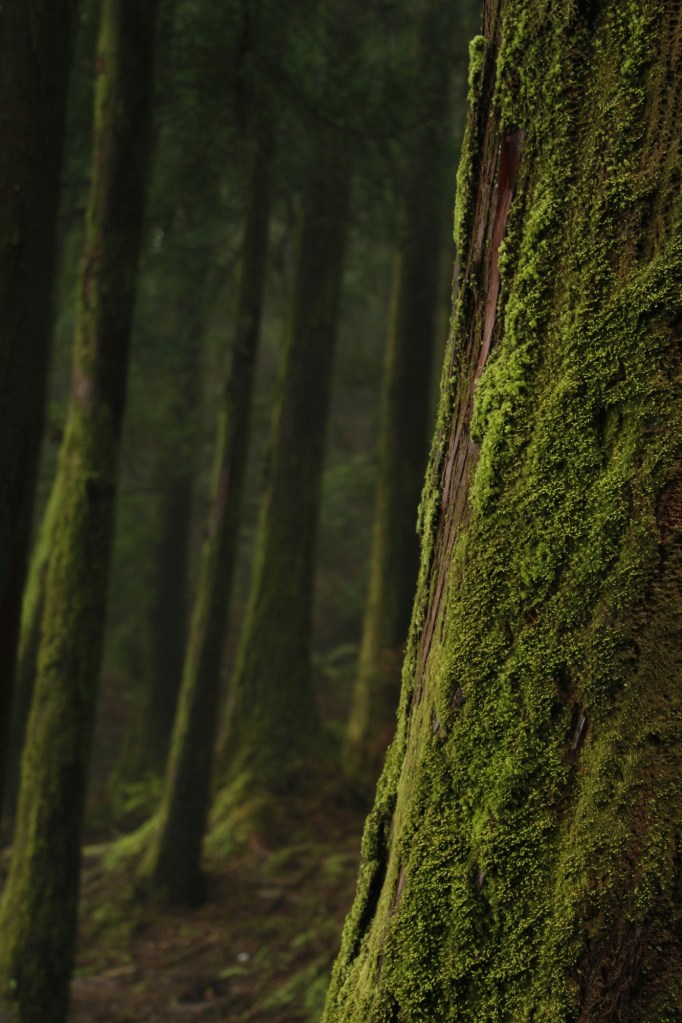
The Understory Had Been There All Along
Once I recognized the pattern, I began looking backward at my own work and seeing it differently. The Understory: Going Beneath the Surface in Psychotherapy had always been about what lives below visible behavior, although I had not yet consciously connected that instinct to rewilding.
In a forest, the canopy receives most of the attention. Enormous trees command the skyline, but beneath them exists another world where ferns unfurl in filtered light, fungi work invisibly through the soil, fallen branches return themselves to the earth, young trees wait for openings overhead, and roots intertwine where nobody can see them.
The understory is quieter than the canopy, but it is no less alive. Psychotherapy often happens there too.
Someone brings anxiety into the room, though anxiety may only be the canopy. Beneath it might live attachment, sensory overwhelm, grief, fear, masking, vigilance, memory, trauma, longing, shame, belonging, and a nervous system that learned very early how to protect itself.
Perfectionism can be approached the same way. We could simply try to cut it down, or we could kneel beside it long enough to ask what conditions made it necessary to grow.
That has always been my instinct. I do not want to prune human beings into socially acceptable shapes; I want to understand the ecosystem, what happened there, what survived, what adapted, what was deprived of light, and what might begin growing differently if the conditions changed.
Long before I consciously connected any of this to rewilding, I was already writing about roots. The language had been there waiting for me to recognize what it meant.
Thread & Tether Was Another Clue
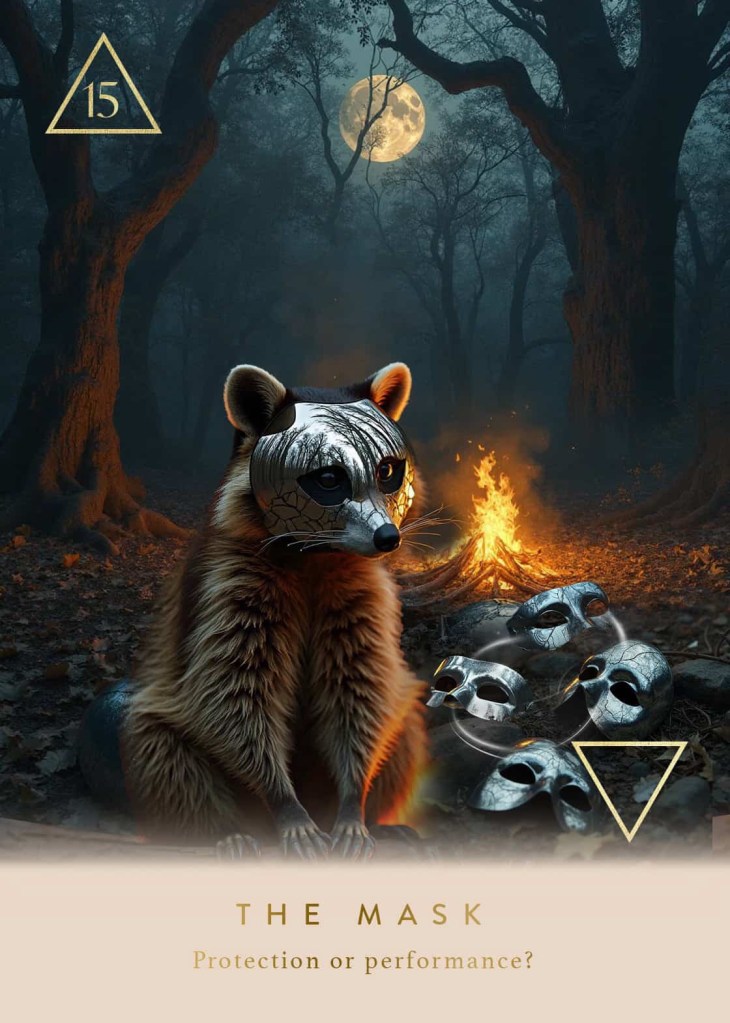
Then came Thread & Tether, and even the name feels different to me now. A thread is something we can follow, while a tether allows movement without complete separation.
Mythology has understood the usefulness of threads for a very long time. Ariadne gives Theseus one before he enters the labyrinth, not to prevent him from going inside, but so that entering does not have to mean becoming permanently lost.
That image stays with me because the thread does not spare anyone the labyrinth. It preserves a relationship with home while the wandering happens.
Tarot has always felt less like fortune-telling to me and more like entering that symbolic terrain. A card does not need to dictate my future in order to matter; it can interrupt a familiar story, become a mirror, open a door, ask the question I have been avoiding, or simply place an image in front of me and allow me to notice what happens next.
Symbols have a kind of patience that I love. Rather than chasing us through the house shouting their interpretation, they wait and leave room for relationship.
Perhaps that is part of what I have been seeking all along: a spirituality that invites rather than insists.

And Then I Built Briar Hollow
If The Understory carried the psychological roots and Thread & Tether carried the symbolic ones, Briar Hollow walked directly into the forest and built a house there. Briar Hollow is still taking shape, a story I am continuing to deepen as I add more layers to its world, its folklore, and the things living beneath the surface. It is coming soon, though I am letting it become what it needs to become before I give it a release date.
I created a mountain town with a witch, a Keeper, an apothecary, a greenhouse, an orchard, a shapeshifter, lantern festivals, a grimoire called The Book of Briars, old stories embedded in the landscape, a creature carrying memory, and a woman learning that she cannot spend her life carrying everyone else’s storms alone.
At some point I looked at what I had created and realized subtlety had clearly abandoned the project. Sometimes fiction tells on us.
We think we are inventing a world, only to discover one day that our unconscious has furnished the entire place. Briar Hollow was filled with everything I had been following for years: forest, memory, magick, death, belonging, cycles, folklore, community, old stories, thresholds, and the sacred hidden inside ordinary life.
Without quite realizing it, I had built a fictional town where the things I was only beginning to consciously understand about myself had already made a home. Fiction had simply arrived at the truth before I did.
Even the Names Were Leaving Breadcrumbs
Sometimes I place the names beside one another and genuinely wonder how I missed what was happening: Storm Haven, The Understory, Thread & Tether, Briar Hollow. Taken together, they form a landscape of storms and shelter, forest layers and root systems, threads that lead through labyrinths, tethers that allow wandering without severing connection, briars that protect and entangle, and hollows that create shelter within something larger.
Again and again, I had been creating places where people could survive weather, descend beneath the surface, follow something home, and recover parts of themselves that had been forgotten. These were not separate projects as much as variations of the same question.
How do we find our way back to ourselves?
Looking backward, there comes a point when even the universe could reasonably clear its throat and say, Jennifer. Come on. What I had thought of as separate interests and separate parts of my work began to resemble one long conversation spoken through different languages.
My work had been answering a question long before I consciously knew I was asking it.
My Ancestors Became a Question, Not an Answer
My Germanic ancestry became part of this exploration too, although never as destiny. Blood does not dictate spirituality, and DNA is not a theological instruction manual.
What ancestry offered instead was another path of curiosity. I began wondering what stories people once told in those landscapes, how they understood winter when winter could kill, what forests meant when forests began at the edge of settlement, what creatures populated their imagination, and how they thought about fate, hospitality, death, ancestors, animals, weather, and the turning year.
That curiosity extended toward what disappeared, what survived through folklore, what was absorbed or transformed through Christianization, and which stories changed their clothing but refused to die. There is something deeply human about realizing how long we have needed stories large enough to contain existence.
We stood beneath thunderstorms and imagined beings powerful enough to make the sky roar. Seeds disappeared beneath soil and emerged months later, so we told stories about descent and return. Daylight retreated each winter and eventually came back, and humans built fires in the dark. Our dead were buried, yet their names continued to be spoken.
My interest in ancestral traditions is not about reenacting an imagined pristine past, because there is no untouched past waiting for us to recover it. I am listening for echoes and wondering what people noticed when the world demanded more attention, which stories helped them live beside death and uncertainty, and what humans have been whispering to one another around fires for thousands of years because some experiences are simply too large for ordinary language.
Death Returned to the Circle
One of the things I love about earth-centered spirituality is that death does not have to be hidden. Nature has never treated death as evidence that life failed.
Leaves burn gold, rust, and red before falling, gardens collapse inward, fruit bruises and softens, trees hollow, and animals die. Fungi take what has ended and begin the patient work of transforming it into something that can feed what comes next.
The forest floor seems to understand something humans keep trying to forget: nothing living remains unchanged forever. Our culture often pushes death toward the edges, softening the language, hiding aging, sterilizing grief, and asking people to return to productivity on schedules the heart has never agreed to.
Seasonal life tells another story. Autumn does not apologize for becoming autumn, winter does not defend its emptiness, dormancy is not failure, and decay is not evidence that something went wrong.
There is relief in remembering that. My fascination with grief, ancestors, remembrance, and continuing bonds fits naturally here because the dead remain in recipes and photographs, gestures and sayings, inherited objects, familiar expressions, family stories, habits we do not realize we learned from them, and the ways loving someone altered the shape of us.
Sometimes honoring those who came before means carrying something forward, while other inheritances need to end with us. Both can be sacred.

Sacredness Moved Out of the Pyramid
The more I explored, the less interested I became in hierarchy. My attention kept returning instead to circles: people gathered around a table, around a fire, beneath the moon, in a therapy room, around a deck of cards, or inside a story.
Community began to matter more than rank, and relationship more than obedience. That shift may be one of the deepest parts of my rewilding because I no longer needed someone standing between me and mystery.
This does not mean I consider myself infallible. Quite the opposite, because rewilding has made me more interested in discernment precisely because I am no longer outsourcing the entire process.
I can learn from traditions without surrendering myself to them, listen to teachers without handing them ownership of my inner life, remain curious without becoming gullible, and question without becoming cynical. Something can feel sacred to me without requiring everyone else to experience it the same way.
Sacredness stopped feeling like something controlled from above and began appearing in relationship. I found it between people and land, between memory and story, between the living and the dead, between a hand and an herb brushed while walking past, between a question and the silence that follows it, and between myself and the ordinary life I had spent too much time moving through without fully inhabiting.
Rewilding Is Not Returning to Some Imagined Past
I do not want to romanticize wildness because nature is beautiful, but nature is also teeth. Forests contain mushrooms, birdsong, sunlight moving through leaves, and the smell of damp earth, while also containing hunger, rot, parasites, storms, disease, and creatures eating other creatures alive.
Wild does not mean gentle; it means whole. That distinction matters because rewilding is not about becoming softer, prettier, more spiritual, or more aesthetically pleasing.
Neither is it an escape into an Instagram forest where everyone drinks herbal tea from handmade pottery beneath perfectly arranged moon garlands. Rewilding, for me, is about recovering capacities that modern culture often asks us to neglect: attention, embodiment, play, rest, anger, wonder, intuition, interdependence, seasonality, community, ritual, the ability to tolerate uncertainty, and the recognition that we are animals living inside ecosystems rather than disembodied minds being chauffeured around by inconvenient bodies.
Civilization itself is not the enemy, and I have no interest in pretending otherwise. Rewilding simply asks me not to confuse civilization with the whole world.
The Question Beneath Everything
The longer I follow these threads, the more clearly I see that my work has been asking the same question in different languages. The Understory asks it psychologically by wondering what is happening beneath the visible story, while Thread & Tether approaches it symbolically through the patterns, images, and archetypes that call us back toward ourselves. Briar Hollow enters through mythology and fiction, wandering into the forest to encounter what has been forgotten and listen to what the land remembers.
My Rewilding Self asks the question most directly: Who are we beneath the story we were given?
I do not mean who we were before life happened, before culture touched us, or before we needed survival strategies, because that person does not exist. The more interesting question concerns what remains alive beneath the scripts we inherited and the roles we learned to perform.
Which adaptations protected us, and which beliefs still belong? What ideas have become too small, and what parts of ourselves did we send beyond the village walls because there was no room for them inside?
Perhaps those parts did not disappear at all. Maybe they became wildflowers along the roadside, wolves watching quietly from the tree line, or witches tending small fires in hidden clearings, waiting for us to remember the way back.
Losing the Map Taught Me to Read the Land
For years, I thought spiritual deconstruction was primarily about losing. Certainty disappeared first, followed by an inherited framework and a map that had once told me where I was, where I was going, and what everything was supposed to mean.
There was grief in that because maps are comforting, even when we eventually discover that they do not describe the territory accurately. What I did not understand yet was that losing the map would force me to pay attention to the land.
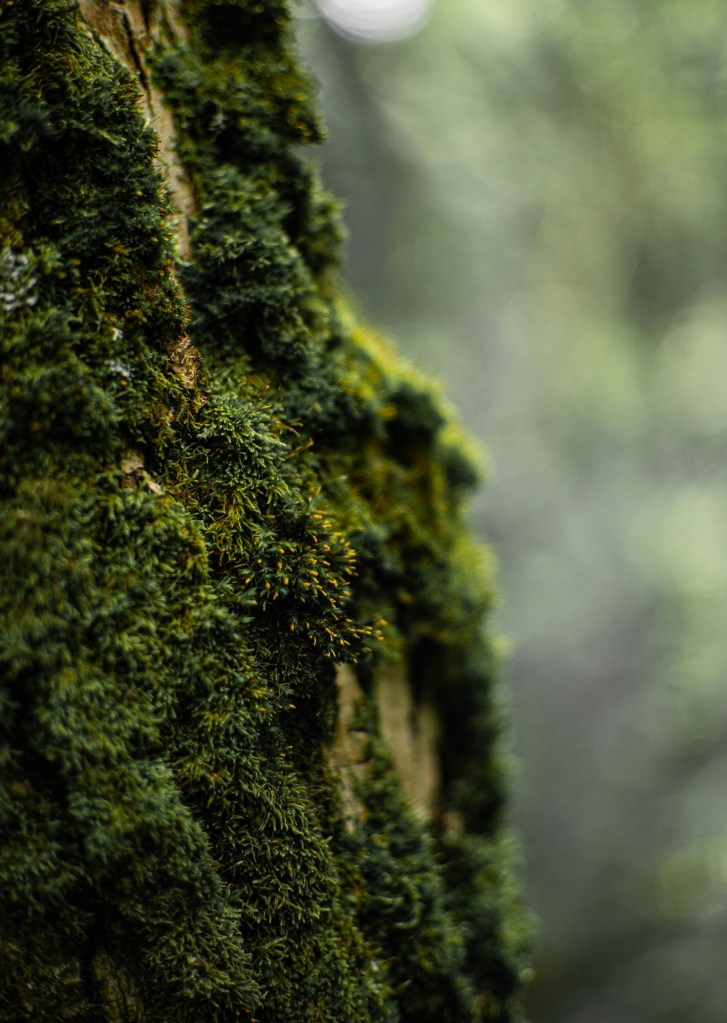
Without a prescribed route, I started noticing what was actually around me. Moss, birds, moonlight, seasonal changes, symbols, myths, tarot cards, old stories, forests, candles burning low on ordinary evenings, the dead whose names still live in the mouths of the living, and the things that made me curious without being able to explain precisely why all became part of the landscape.
The world became less like something I needed to decode correctly and more like something I could be in relationship with. A path began winding through everything I loved: psychology and mythology, science and symbolism, birdsong and grief, folklore and therapy, tarot and storytelling, forests and nervous systems.
What I had mistaken for scattered interests began looking like a trail. The thread had never been leading me toward becoming someone new; it had been leading me toward myself.
Remember. Reclaim. Rewild. Return.
Maybe that is what rewilding has become for me: remembering what made me curious before I learned to be embarrassed by wonder, reclaiming the parts of myself that disappeared because belonging once required their absence, rewilding my relationship with my body, nature, spirituality, creativity, intuition, community, grief, ritual, story, and mystery, and returning not backward toward some imaginary untouched self but inward toward a life that feels increasingly my own.
Sometimes I think about how easily I could have walked past all the clues. The hawk circling overhead, the moon caught between buildings, rosemary releasing its scent beneath my fingers, mythology books filling my shelves, tarot cards spread across a table, rituals, old gods, forests, ancestors, death, rebirth, thresholds, and the stories humans tell when ordinary language is not enough were all part of the trail.
Even the names I had given the things I created were quietly pointing in the same direction: Storm Haven, The Understory, Thread & Tether, Briar Hollow. Rather than proving anything supernatural, they offered something much more intimate. They showed me what had been alive in me all along.
When I finally paused, the world became surprisingly loud. A bird called from somewhere beyond the fence, leaves shifted in the wind, and the moon continued the ancient journey it had been making long before I learned to track its phases.
Somewhere in the stories humanity has carried for thousands of years, Persephone is still descending into the dark and returning changed. At another crossroads, Hecate holds her torches while Ariadne’s thread continues winding through the labyrinth, not preventing anyone from becoming lost but preserving the possibility of return. Somewhere at the forest edge, the witch is still tending her fire.
I am there too, though not converted, finished, or finally in possession of the answer. I am still wandering, questioning, learning the names of things, changing my mind, listening more carefully, and becoming increasingly comfortable with mystery.
What has changed is that I no longer mistake the wild parts of myself for weeds simply because someone once told me the garden should look different. Becoming a witchy Pagan was never quite the story because there was no moment when I transformed into someone else.
I remembered instead that the world had always felt alive to me, that stories, symbols, bodies, seasons, and small rituals mattered, and that there was wisdom in paying attention. Mystery no longer needed to frighten me simply because it remained unsolved, and the forest edge stopped feeling like somewhere I should avoid.
That pull had always been there, drawing me toward old stories, things growing beneath the surface, and questions that refused neat answers. Once I became quiet enough to recognize it, I realized I was not wandering away from myself at all.
Perhaps most importantly, I stopped requiring myself to become someone else before I was allowed to belong to my own life. Belonging began to mean something different when I understood that I could belong to this body, to my curiosity, to the earth beneath my feet and the seasons moving around me, to unanswered questions, to the old stories I inherited and the new ones I am still writing.
There is room in that belonging for psychology and mythology, reason and wonder, science and symbolism, the living and the dead. There is even room for an ordinary Tuesday when a bird calls from the fence and I know its name.
The clues had always been there, woven quietly through the life I was already living. I simply paused long enough to listen, and somewhere in that listening, I did more than recognize myself.
I came home.

Author’s Note
This is not a prescription for what Paganism, witchcraft, deconstruction, or rewilding should look like. It is simply the story of where my own wandering led me when I stopped asking what I was supposed to believe and started paying closer attention to what had been quietly alive in me all along.
Some of what I found had roots in psychology, some in mythology and folklore, some in the natural world, some in ancestry, ritual, grief, story, and the old human instinct to make meaning from the mystery of being alive. I do not hold all of it with certainty, and I no longer feel the need to. Curiosity has become a more honest companion.
For me, rewilding has been less about becoming someone new and more about remembering what still felt true beneath conditioning, expectation, and inherited scripts. It has meant learning to trust discernment without abandoning critical thinking, making room for both science and symbolism, and allowing wonder to exist without immediately forcing it into an explanation.
If there is an invitation here, it is not to follow my path but to notice your own. Pay attention to what keeps calling you back: the stories, symbols, places, questions, and small ordinary moments that make something inside you stir. Sometimes the clues are not pointing toward a new identity at all. They may simply be showing you the way home.


Leave a comment